Hotter Summers, Higher Expectations High-Stiffness Composites for Quieter Air Conditioners
2026-07-29
Uncategorized

As global temperatures continue to rise, air conditioners have become an essential part of everyday life. The recent heatwaves across Europe have triggered a surge in air conditioner demand, placing greater emphasis on product performance, durability, and quiet operation.

Behind every high-performance air conditioner lies more than an efficient compressor or an advanced control system—the choice of material plays a critical role. To meet the growing demand for lightweight, low-noise, and long-lasting HVAC systems, engineering plastics are increasingly replacing traditional metal components in fan impellers, blower housings, motor brackets, structural frames, and other key parts.
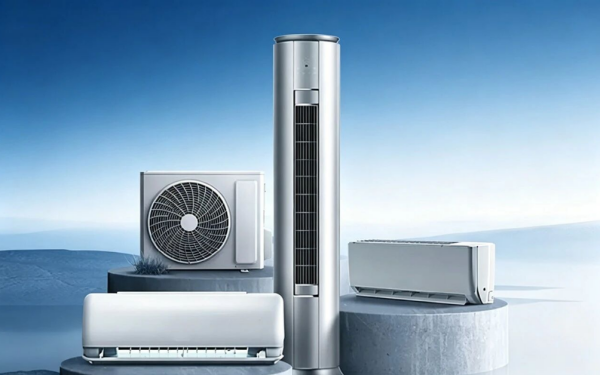
Engineering Plastics for Air Conditioners

So, which engineering plastics are most commonly used in air conditioners? What advantages does each material offer? And why are high-stiffness long glass fiber reinforced thermoplastics (LFT) becoming the preferred choice for next-generation HVAC components?

In this article, we'll explore the most widely used engineering plastics in air conditioners and explain how high-performance composite materials help reduce noise and vibration, improve structural strength, and enhance the overall efficiency and reliability of modern air conditioning systems.

Challenges in Selecting Engineering Plastics for Air Conditioners

Material selection plays a critical role in the design and performance of modern air conditioning systems. Beyond manufacturing costs, the right engineering plastic directly affects product durability, structural strength, noise levels, and long-term reliability. However, selecting the optimal material is not always straightforward. Air conditioner manufacturers typically face two major challenges:

1. Complex Material Selection

A wide range of engineering plastics—including PP, ABS, PA, PBT, PPS, and long glass fiber reinforced thermoplastics (LFT)—offer different advantages in terms of mechanical strength, heat resistance, dimensional stability, processability, and cost. Choosing the most suitable material for each component requires balancing application requirements with performance and budget. An inappropriate material choice can lead to increased noise and vibration, reduced service life, or unnecessary manufacturing costs.

2. Balancing Multiple Performance Requirements

Modern air conditioners demand materials that provide high stiffness while also delivering excellent heat resistance, flame retardancy, fatigue resistance, dimensional stability, and efficient injection molding performance. At the same time, manufacturers must achieve lightweight designs, maintain cost efficiency, and ensure high production productivity. Finding the right balance among these competing requirements remains one of the biggest challenges in HVAC material selection.
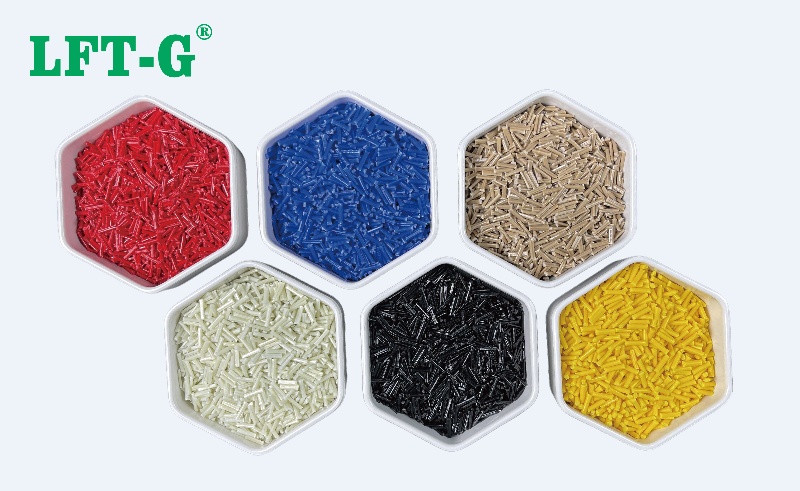
HVAC Material Selection

Engineering Plastics Used in Air Conditioners

01. ABS – The Preferred Material for Exterior Components

Typical Applications

ABS is widely used for visible exterior parts such as front panels, control panels, decorative covers, and other cosmetic components. These parts are the first elements consumers notice, making appearance, surface quality, and durability key design considerations.

Key Advantages

ABS offers an excellent surface finish with high gloss, making it ideal for premium-looking air conditioner housings. Its outstanding paintability also allows manufacturers to achieve a wide range of colors, textures, and decorative effects to meet different product designs.

In addition, ABS provides excellent impact resistance, helping exterior components withstand daily handling, accidental impacts, and long-term use while maintaining their appearance. Its good processability and cost-effectiveness have made ABS one of the most widely used engineering plastics for air conditioner exterior applications.

02. PP and Modified PP – The Cost-Effective Choice for Functional Components

Typical Applications

Polypropylene (PP) is widely used for non-load-bearing components such as air filters, drain pans, internal brackets, and various functional parts. While these components are not highly visible, they play an essential role in ensuring the reliable operation of the air conditioning system.

Key Advantages

PP offers excellent low-temperature toughness and good chemical resistance, allowing it to withstand moisture, cleaning agents, and a wide range of operating environments. Its low density, easy processability, and competitive cost make it one of the most economical engineering plastics for high-volume air conditioner production.

Why Modify PP?

Standard PP can be further enhanced with glass fiber reinforcement, flame-retardant additives, or mineral fillers to meet more demanding performance requirements. Modified PP delivers significantly higher stiffness, improved dimensional stability, enhanced heat resistance, and better flame-retardant performance while maintaining the cost advantages of conventional PP. As a result, it has become a preferred material for many structural and functional HVAC components where strength, safety, and cost efficiency must be carefully balanced.
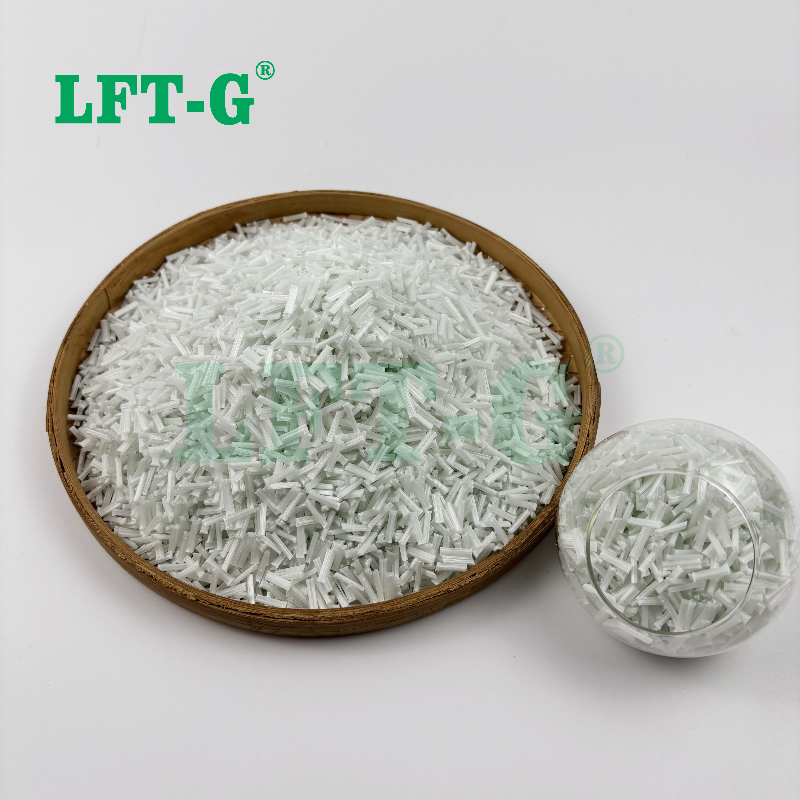
PP Long Glass Fiber Reinforced Material

PP Long Glass Fiber Reinforced Thermoplastic (LGF-PP)

03. PC/ABS Alloy – The Balanced Solution for Premium Air Conditioners

Typical Applications

PC/ABS alloy is commonly used for structural parts and exterior housings in premium air conditioners, especially for thin-wall components that require both strength and an excellent surface finish.

Key Advantages

By combining the strengths of polycarbonate (PC) and ABS, PC/ABS offers better heat resistance and impact strength than ABS while providing easier processing and lower manufacturing costs than pure PC. This balance of mechanical performance, appearance, and processability makes it an ideal material for high-end HVAC applications.

04. PA (Polyamide) – The Core Material for High-Performance Structural Components

Typical Applications

Polyamide (PA), particularly glass fiber reinforced grades such as PA6 GF30, is widely used for fan blades, motor brackets, bearing supports, and other structural components exposed to continuous vibration, mechanical loads, and elevated temperatures.

Key Advantages

PA provides outstanding mechanical strength, wear resistance, and creep resistance, ensuring long-term structural stability under demanding operating conditions. It also maintains excellent performance across a wide temperature range, typically from -30°C to 120°C, making it well suited for air conditioner components that require long service life and reliable operation.

05. PBT and PET – Reliable Materials for Electrical and High-Temperature Applications

PBT: Ideal for Electrical Components

PBT is widely used in electrical control boxes, connectors, terminal blocks, and other components requiring excellent electrical insulation. It also offers fast injection molding cycles, good dimensional stability, and reliable performance under continuous thermal exposure, making it a preferred material for electrical applications in HVAC systems.

Reinforced PET: Built for High-Temperature Environments

Glass fiber reinforced PET is commonly used in air outlets, coil supports, and other components exposed to elevated temperatures. With excellent heat resistance—typically exceeding 200°C for reinforced grades—along with high stiffness and dimensional stability, reinforced PET ensures reliable performance in demanding thermal environments.

06. PU (Polyurethane) – The Key to High-Efficiency Thermal Insulation

Typical Applications

Polyurethane (PU) foam is widely used as the thermal insulation material between the inner and outer shells of air conditioners, filling cavities to improve thermal efficiency while also providing structural support.

Key Advantages

PU features an extremely low thermal conductivity, effectively minimizing heat transfer and reducing cooling energy loss. Its excellent insulation performance helps improve the overall energy efficiency of air conditioning systems while contributing to quieter operation and enhanced long-term durability.
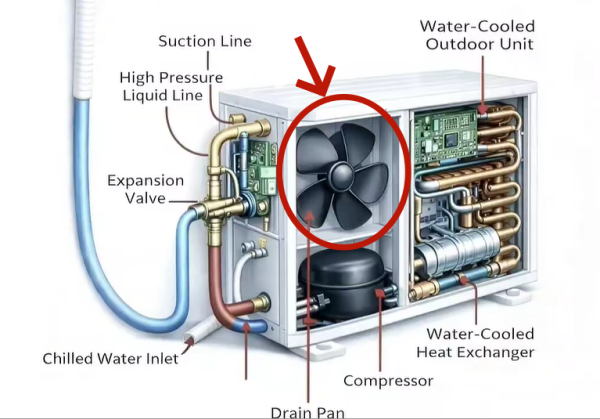
Engineering Plastics Used in Air Conditioners

Advantages of Engineering Plastics for Air Conditioner Applications

Compared with general-purpose plastics, engineering plastics offer superior mechanical strength, heat resistance, flame retardancy, dimensional stability, and long-term reliability. These properties enable manufacturers to produce air conditioners that are lighter, quieter, more durable, and more energy efficient.

Each material offers unique advantages for different applications. ABS is ideal for exterior components, PA excels in high-load structural parts, while modified PP, PBT, PET, and PC/ABS are widely used in electrical and functional components. Selecting the right material for each application is essential to achieving the best balance between performance, manufacturability, and cost.

Why Choose Long Glass Fiber Reinforced Thermoplastics (LFT)?

As air conditioners continue to evolve toward lightweight, low-noise, and high-performance designs, Long Glass Fiber Reinforced Thermoplastics (LFT) have become an ideal material for structural HVAC components. Compared with conventional reinforced plastics, LFT offers higher stiffness, better impact resistance, improved vibration damping, and superior dimensional stability.

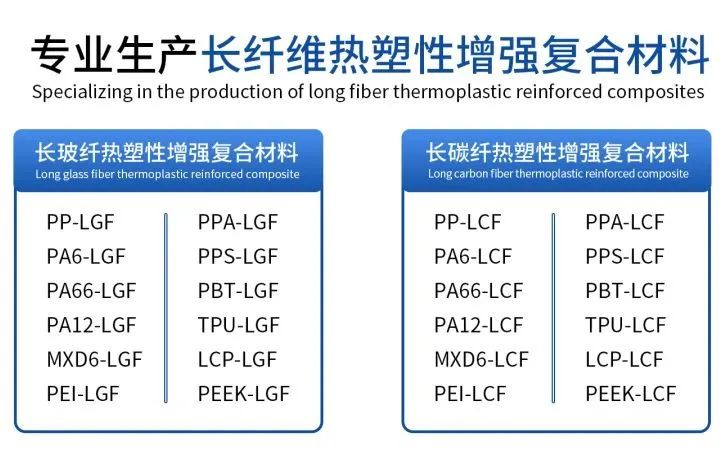
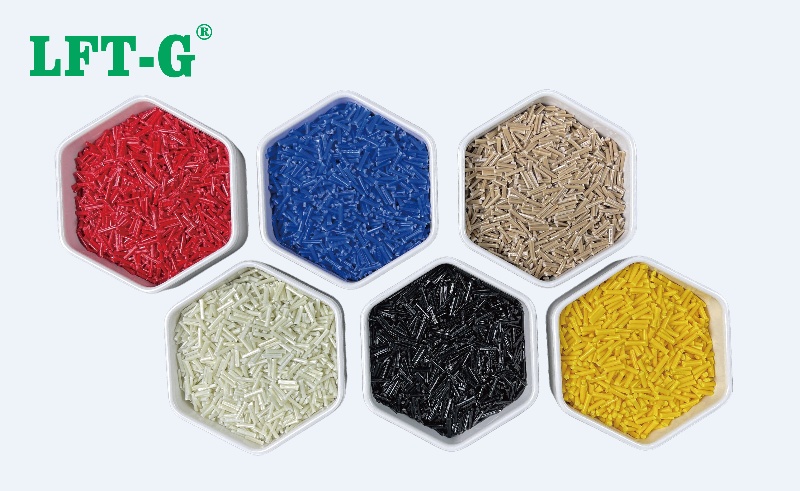
At Xiamen LFT Composite Plastics Co., Ltd., we provide high-performance PP-LGF, PA6-LGF, PA66-LGF, PPA-LGF, PPS-LGF, and customized LFT solutions to help HVAC manufacturers improve product performance, reduce noise and vibration, and achieve lightweight designs.
Long Glass Fiber Reinforced Thermoplastics for Air Conditioners
Untagged
How Long Can Marine Composites Last After an Impact?
2026-07-29
Uncategorized
Untagged
How to Choose the Right Glass Fiber Content for PA66
2026-07-29
Uncategorized

How to Choose the Right Glass Fiber Content for PA66

A Practical Guide to Balancing Mechanical Performance, Heat Resistance, Processability and Cost

Introduction

Glass fiber reinforced PA66 (GF PA66) is one of the most widely used engineering plastics in automotive, electrical, industrial machinery and structural applications. By incorporating glass fibers into Nylon 66, manufacturers can significantly improve strength, stiffness, dimensional stability and heat resistance.

However, one question frequently arises during material selection:

Should you choose 20%, 30%, 40%, 50% or even 60% glass fiber reinforced PA66?

Many engineers assume that higher glass fiber content always means better performance. In reality, increasing glass fiber improves certain properties while reducing others, such as impact resistance and flowability.

Selecting the proper glass fiber percentage requires balancing mechanical performance, molding process, product design and overall manufacturing cost.


How Glass Fiber Content Influences PA66 Performance

Glass fibers function as reinforcement within the PA66 matrix. As fiber loading increases, the reinforcing network becomes stronger, enabling the composite to withstand higher mechanical loads and elevated temperatures.

At the same time, excessive glass fiber loading may introduce processing challenges and reduce toughness.

1. Mechanical Strength and Stiffness Increase

The most obvious benefit of adding glass fiber is the improvement of mechanical properties.

  • Higher tensile strength
  • Higher flexural strength
  • Higher modulus
  • Improved rigidity
  • Better dimensional stability

For structural components subjected to continuous loads, increasing glass fiber content often provides significant performance advantages.

2. Heat Resistance Improves

Glass fibers restrict polymer chain movement, resulting in improved heat deflection temperature (HDT) and long-term thermal stability.

This makes high glass fiber PA66 ideal for automotive engine compartments, electrical components and industrial equipment operating at elevated temperatures.

3. Flowability Decreases

As glass fiber loading increases, melt viscosity rises during injection molding.

Consequently:

  • Injection pressure increases
  • Thin-wall filling becomes more difficult
  • Surface fiber exposure becomes more noticeable
  • Complex mold designs require careful optimization

4. Impact Toughness Gradually Decreases

Higher rigidity generally comes at the expense of toughness.

Compared with lower glass fiber grades, high glass fiber PA66 exhibits reduced elongation and lower impact resistance, making it less suitable for components exposed to repeated impacts.

5. Processing Difficulty and Cost Increase

Higher glass fiber content usually means:

  • Greater mold wear
  • Higher machine requirements
  • More difficult processing window
  • Higher raw material cost

Therefore, the highest glass fiber percentage is not always the most economical solution.


Typical Glass Fiber Content Ranges

Glass Fiber Content Characteristics Typical Applications
10–20% Balanced mechanical properties, good flowability, easy processing, economical. Consumer products, electrical housings, light-duty structural components.
25–30% Excellent balance between strength, stiffness and processability. Automotive components, power tools, appliance structures.
30–40% High rigidity, excellent heat resistance and dimensional stability. Cooling fans, industrial machinery, motor housings.
40–50% Ultra-high stiffness with excellent structural performance. Heavy-duty structural components and precision industrial parts.
Above 50% Special engineering applications requiring maximum rigidity and wear resistance. Customized engineering solutions.

How to Select the Right Glass Fiber Content

Choosing the appropriate glass fiber content is not simply about selecting the highest strength material. Engineers should evaluate the entire product lifecycle, including mechanical requirements, molding capability, service environment and production cost.

Step 1

Define Performance Requirements

Determine the required mechanical strength, stiffness, impact resistance, heat resistance and dimensional stability before selecting a material grade.

Step 2

Balance Cost and Processability

Higher glass fiber content improves performance but also increases molding difficulty, tooling wear and material cost.

Step 3

Use Industry Experience

Reference proven material selections used in automotive, electrical and industrial applications to shorten development time.

Step 4

Prototype and Validate

Always verify mechanical properties, thermal performance and molding behavior through prototype testing before mass production.


Recommended Glass Fiber Content by Industry

Industry Typical Components Recommended GF Content
Automotive Engine covers, brackets, housings, cooling system components 20–30%
Industrial Machinery Structural parts, gears, support frames 25–40%
Electrical & Electronics Connectors, switches, electrical housings 15–25%
Cooling Fans Fan blades, motor housings 30–50%
Precision Engineering High-load structural components 30–60%

Why Long Glass Fiber Reinforced PA66 Performs Better

Although conventional short glass fiber reinforced PA66 is widely used, many demanding engineering applications are now transitioning to Long Glass Fiber Reinforced PA66 (LGF PA66).

Compared with short glass fiber materials, long glass fiber composites retain significantly longer fiber lengths after injection molding, creating a stronger reinforcing network inside the polymer matrix.

Property Short Glass Fiber PA66 Long Glass Fiber PA66
Impact Strength Good Excellent
Fatigue Resistance Moderate Outstanding
Dimensional Stability Good Excellent
Long-term Mechanical Performance Good Superior
Lightweight Replacement of Metal Limited Highly Suitable

LFT-G® Long Glass Fiber PA66 Solutions

LFT-G specializes in long fiber reinforced thermoplastic composites for demanding engineering applications.

  • Glass Fiber Content: 20%–60%
  • Excellent Impact Strength
  • Outstanding Heat Resistance
  • Superior Fatigue Performance
  • Excellent Dimensional Stability
  • Flame Retardant Grades Available
  • UV Resistant Grades Available
  • Hydrolysis Resistant Grades Available
  • Customized Formulations for OEM Projects

Frequently Asked Questions

Is higher glass fiber content always better?

No. While higher glass fiber content improves stiffness and heat resistance, it also reduces flowability and impact toughness while increasing manufacturing cost.

What is the most commonly used glass fiber percentage?

Glass fiber contents between 30% and 40% offer an excellent balance between strength, processing performance and cost, making them the most widely used grades.

When should I choose 40% or higher glass fiber reinforced PA66?

High glass fiber grades are recommended for structural components requiring maximum stiffness, high temperature resistance and long-term dimensional stability.

Why choose long glass fiber reinforced PA66?

Long glass fiber reinforced PA66 provides superior impact strength, fatigue resistance and structural performance compared with conventional short glass fiber materials, making it ideal for lightweight metal replacement applications.

Contact our engineering team today to receive technical data sheets, application recommendations and customized material solutions.

Request a Free Consultation
Untagged
Modified Plastics vs. Virgin Plastics Differences, Benefits & Best Applications
2026-07-29
Uncategorized

In today's industrial world, plastics have evolved far beyond the definition of simple synthetic materials. They have become an essential part of modern life, supporting everything from consumer goods and transportation to electronics and healthcare. Whether consumers are examining food packaging on supermarket shelves, touching automotive interior components in a showroom, or holding electronic devices in their hands, they are interacting not with a single material, but with engineered plastics that have been carefully optimized for specific performance requirements.

Among these materials, modified plastics represent the next stage in the evolution of polymer engineering. Rather than relying solely on the inherent properties of virgin resins, material scientists enhance plastics through reinforcement, fillers, additives, and advanced compounding technologies, transforming them from materials that are merely usable into materials precisely engineered for their intended applications.


Performance Differences Between Modified Plastics and Virgin Plastics
Breaking the Performance Limits of Virgin Plastics

The performance of virgin plastics is primarily determined by the chemical structure of the base resin. Common polymers such as polyethylene (PE), polypropylene (PP), and polyvinyl chloride (PVC) possess relatively uniform molecular weight distribution, crystallinity, and branching characteristics. While this consistency supports cost-effective mass production, it also limits the range of achievable material properties.

When the inherent properties of a single resin are insufficient for demanding applications, the likelihood of material failure increases. Components may suffer from inadequate mechanical strength, poor heat resistance, limited dimensional stability, or insufficient chemical resistance under harsh operating conditions.

Modified plastics address these limitations by incorporating reinforcing fibers, mineral fillers, and functional additives to create high-performance composite materials. For example, the addition of glass fibers or carbon fibers significantly improves tensile strength, stiffness, and fatigue resistance through the synergistic interaction between the reinforcement and the polymer matrix.

According to composite material theory, factors such as fiber content, aspect ratio, orientation, and interfacial bonding work together to determine the final performance of the material. This engineered synergy enables modified plastics to surpass the performance limitations of virgin resins and meet the requirements of high-demand industrial applications.

Enhanced Stability and Long-Term Durability

Over time, all plastic materials experience some degree of performance degradation when exposed to heat, ultraviolet (UV) radiation, moisture, chemicals, and other environmental factors. Virgin plastics are more susceptible to aging, cracking, deformation, and embrittlement because these changes are closely related to the intrinsic characteristics of the polymer, including molecular chain mobility, crystallinity, and chemical structure. For instance, polystyrene (PS) tends to become brittle at low temperatures due to its limited molecular flexibility.

Modified plastics are specifically engineered to improve long-term reliability. By incorporating antioxidants, UV stabilizers, heat stabilizers, and weather-resistant additives, manufacturers can significantly slow the aging process and extend product service life.

In addition, mineral fillers such as calcium carbonate and talc not only reduce material costs but also create physical barriers that limit the penetration of oxygen and moisture, improving durability and dimensional stability. Polymer blending technologies further enhance performance by combining the strengths of different resins, resulting in engineered plastic alloys that offer an optimized balance of mechanical properties, thermal stability, and environmental resistance.

Application-Specific Material Selection in Modern Industries
Driving Automotive Lightweighting with Modified Plastics

The automotive industry places exceptionally high demands on material performance. Structural components require outstanding strength and stiffness, interior and exterior parts must offer excellent processability and weather resistance, while electrical and electronic systems depend on superior flame retardancy, electrical insulation, and dimensional stability. These diverse performance requirements have made modified plastics an indispensable material in modern vehicle manufacturing.

As the adoption of electric vehicles continues to accelerate, the importance of lightweight materials has grown significantly. Reducing vehicle weight helps improve energy efficiency, extend driving range, and lower overall emissions without compromising safety or performance. As a result, the amount of modified plastics used in each vehicle continues to increase, replacing traditional metal components in an expanding range of applications.

Glass fiber reinforced polyamide (PA) is widely used in structural components because it delivers an excellent balance of lightweight design, high mechanical strength, and long-term fatigue resistance. Through optimized fiber content and orientation, these materials can reduce component weight by more than 30% while maintaining durability comparable to metal.

For under-the-hood applications, heat-resistant modified polypropylene (PP) provides reliable long-term performance at elevated temperatures through the incorporation of mineral fillers and thermal stabilizers. In electric vehicles, flame-retardant PC/ABS alloys are commonly used for battery housings and electrical components, offering excellent flame resistance, electrical insulation, and dimensional stability to enhance vehicle safety.

These applications demonstrate the greatest advantage of modified plastics: the ability to engineer material properties for specific performance requirements while achieving an optimal balance between weight, durability, manufacturability, and cost.


Application-Specific Material Selection in Modern Industries
Meeting the Precision Requirements of Electronics and Electrical Devices

As electronic products continue to evolve toward miniaturization, higher integration, and greater power density, manufacturers require materials with superior dielectric properties, flame resistance, and dimensional stability. The widespread use of modified plastics in the electronics industry is the result of precise engineering at the microscopic level, enabling polymers to meet increasingly demanding performance standards.

For precision components such as connectors, sockets, and switch housings, modified polybutylene terephthalate (PBT) with low moisture absorption maintains tight dimensional tolerances and minimizes deformation caused by humidity. This ensures reliable assembly and long-term performance in highly integrated electronic devices.

Flame-retardant modification is equally critical for electrical safety. By incorporating halogenated or halogen-free flame retardants, along with intumescent flame-retardant systems, modified plastics can form a protective char layer when exposed to fire. This barrier effectively slows heat transfer and restricts oxygen supply, significantly reducing flame propagation. Achieving this level of performance requires careful optimization of additive compatibility, dispersion, and synergistic interactions within the polymer matrix rather than simply adding flame-retardant chemicals.

Balancing Cost and Performance for Consumer Products


In consumer electronics and household appliances, manufacturers must carefully balance material performance with production costs. Modified plastics provide an effective solution by combining filling, blending, and reinforcement technologies to reduce material costs while maintaining the mechanical properties required for everyday use.

For example, calcium carbonate-filled polypropylene (PP) is widely used in refrigerator door panels and other appliance components. The mineral filler can significantly reduce raw material costs while maintaining adequate strength, stiffness, and long-term durability for the intended application.

This cost optimization is achieved through application-driven material engineering rather than sacrificing quality. Unlike automotive structural components, household appliance parts generally experience lower mechanical loads but face greater cost pressures. By tailoring the material formulation to the actual service environment, modified plastics deliver the optimal balance of performance, manufacturability, and affordability, making them an ideal choice for high-volume consumer products.


Choosing the Right Material: Balancing Performance, Cost, and Sustainability


For purchasing managers and product designers, understanding the value of modified plastics does not require in-depth expertise in polymer science. Instead, the key is to evaluate materials based on the specific requirements of the intended application rather than assuming that modified plastics are always the premium or superior choice.

A practical material selection framework considers three core factors: performance, cost, and environmental requirements. The optimal material is the one that delivers the necessary functionality at the lowest total lifecycle cost.

For durable products such as automobiles, household appliances, and industrial equipment, long-term mechanical performance and reliability are often more important than initial purchase price. In these applications, materials with reinforcement, flame-retardant properties, enhanced heat resistance, or improved weatherability provide greater long-term value by extending product life and reducing maintenance or replacement costs.

For single-use products such as packaging materials, however, cost efficiency is typically the primary consideration. In these cases, filling modification technologies that incorporate mineral fillers can effectively reduce raw material costs while maintaining the basic performance required for the product's intended use.

Ultimately, the best material choice is not determined by whether a plastic is modified or unmodified, but by how well its performance matches the application's functional requirements. By selecting materials according to real operating conditions, manufacturers can achieve the optimal balance between performance, manufacturing efficiency, cost-effectiveness, and sustainability.


Untagged
Why PPS Is the Preferred Material for 1000V High-Voltage Connectors in Electric Vehicles
2026-07-29
Uncategorized
Untagged
AI Chip Cooling War Why AlN Substrates Matter
2026-06-12
Uncategorized


As GPU power consumption breaks the kilowatt barrier, chip heat dissipation has become the core bottleneck restricting AI computing power. Ceramic substrates, with their outstanding heat dissipation performance, stable dielectric properties, and high reliability, perfectly align with AI's core demands for thermal management, high-frequency high-speed operation, and stability.


Take AlN ceramic substrates as an example. Their thermal conductivity can reach 170-230 W/(m·K), 6-10 times that of alumina substrates. With a thermal expansion coefficient of approximately 4-5 ppm/℃, AlN matches silicon chips closely, effectively preventing solder joint failures caused by excessive temperature differences. In applications such as LED heat dissipation AlN substrates, chip junction temperatures can be controlled within reasonable ranges, significantly improving heat dissipation efficiency.


Without high-performance ceramic substrates, AI chips running at full speed are essentially "running a fever."


Market Explosion: How Big Is the Opportunity?

According to Global Info Research, global ceramic substrate revenue reached approximately USD 1.617 billion in 2024 and is projected to climb to USD 4.144 billion by 2031, representing a CAGR of 14.6%.


Market Research Future estimates the ceramic substrate market at USD 12.79 billion in 2024, with growth from USD 14.51 billion in 2025 to USD 51.21 billion by 2035, averaging 13.44% annual growth.


AlN and silicon nitride substrates are growing significantly faster than traditional alumina products, primarily because alumina ceramics increasingly fail to meet the thermal management requirements of power modules in high-power packaging applications.


Industry Chain Key: Powder Determines Substrate Performance

The performance ceiling of ceramic substrates largely depends on upstream powder materials. Currently, high-end AlN powder preparation technology is basically monopolized by Japan, the United States, and Germany, accounting for the majority of global market share.


China started AlN powder preparation relatively late, but has made significant progress in recent years. Xiamen Juci Technology Co., Ltd. is a representative enterprise.


Founded in 2016 in Xiamen based on the research achievements of Professor Qin Mingli's team at the University of Science and Technology Beijing, Juci focuses on the R&D, production, and sales of high-grade AlN powder and ceramic products. The company's main products include four categories: high-purity fine AlN powder, AlN granulation powder, AlN filler powder, and AlN ceramic products.


In 2023, Juci was selected as a "National Specialized and Innovative Little Giant Enterprise," with AlN production reaching 400 tons. In 2024, the company's AlN powder capacity reached 600 tons, ranking among the world's leading players in terms of capacity and sales scale. The company adopts the precursor carbothermal reduction nitridation method, and its product quality has been widely recognized by domestic and international customers.


In September 2024, Juci signed an agreement with the Hohhot Economic and Technological Development Zone to invest RMB 800 million in building an Inner Mongolia production base for high-purity nitride electronic ceramic materials. Upon full operation, the project will produce 5,000 tons of high-purity nitride electronic ceramic materials annually. As the project gradually progresses, the company's annual capacity will increase substantially, with the potential to rank among the global leaders in this niche segment. The project leverages local advantages in land and electricity costs, further enhancing the company's core competitiveness.


Notably, Juci holds a leading position in injection-molded complex precision AlN ceramic products, capable of producing precision ceramic components for high-end applications such as IGBT packaging, power modules, and LED heat dissipation AlN substrates.


Juci Product Matrix and Core Advantages

With thermal conductivity reaching 170-230 W/(m·K)—far exceeding alumina substrates (15-30 W/(m·K))—AlN ceramic substrates are the ideal choice for high-power device packaging. Juci's product line covers key segments of the AlN industry chain:


Powder Products: Including high purity AlN powder, low oxygen content AlN powder, and semiconductor grade AlN powder, meeting diverse application requirements. High purity AlN powder price is competitive, providing downstream customers with cost-effective domestic alternatives.


Ceramic Products: Complex precision AlN ceramic components widely used in power module packaging, LED heat dissipation AlN substrates, and AlN ceramic substrate sintering applications.


AlN Thermal Materials: As the core raw material for AlN thermal materials, Juci's AlN powder has broad application prospects in thermal interface materials (TIM) such as thermal greases, thermal gels, and thermal pads.


The Future Is Here: Domestic Substitution at the Right Time

With the accelerated penetration of third-generation semiconductors—silicon carbide and gallium nitride—and the explosive demand for AI computing power, ceramic substrates are facing a historic opportunity.


Domestic enterprises have achieved the transition from "following" to "running alongside" in the AlN powder field. The rise of companies like Juci is breaking the monopoly of international giants on high-end powder materials, providing stable and reliable domestic raw material supply for downstream AlN ceramic substrate manufacturers. As the Inner Mongolia 5,000-ton capacity project gradually advances, Juci Technology's leading position in the global AlN materials field will be further consolidated.


From "flour" to "bread," the domestic ceramic substrate industry chain is accelerating its closed loop. Whoever masters the core preparation technology of high thermal conductivity AlN powder at the material end will gain the upper hand in the heat dissipation competition of the AI computing era.


Xiamen Juci specializes in the R&D, production, and sales of AlN powder and AlN ceramic structural components, possessing mature production technologies and a comprehensive service system with reliable quality and stable supply. For those in need of AlN powder and related products, please feel free to contact us at any time, and we will provide you with professional solutions.


Contact: Jenny Qin / 진현혜

Xiamen Juci Technology Co., Ltd.

Phone: +86 151-5177-8700

Email: qinxianhui@chinajuci.com

Website: www.jucialnglobal.com

AlN Ceramic & Powder Technology and Applications
2026-06-12
Uncategorized

Aluminum Nitride (AlN) powder features high thermal conductivity (320 W/(m·K) theoretical) and a thermal expansion coefficient matching silicon, making it ideal for ceramic substrates in semiconductor power devices, IGBT modules, and high-power LEDs. With thermal conductivity 6-10× higher than alumina, AlN is replacing alumina in 5G communications, new energy vehicles, and photovoltaic inverters. Buyers seeking cost-effective AlN powder or high-purity AlN powder should carefully select a reliable AlN manufacturer.


I. AlN Powder Preparation

High-purity AlN powder is key to high-performance substrates. Carbothermal reduction is the most mature commercial method, producing powder with high sphericity and purity. Hydrolysis resistance is criticalsurface modification (e.g., nano-coating) addresses this. Customers asking which high-purity AlN powder manufacturer is the best prioritize hydrolysis resistance and batch consistency.


II. AlN Ceramic Sintering

Sintering aids (e.g., YO) enable liquid-phase sintering and oxygen removal, boosting thermal conductivity. Pressureless sintering is standard for AlN substrates; advanced processes like SPS or HIP serve higher-performance needs.


III. Product Types

- AlN heat dissipation substrates: For IGBT/LED thermal management; processable into AlN direct bonded copper substrates

- AlN ceramic rods: Cylindrical structural components

- AlN ceramic microspheres: Thermal fillers, grinding media, or granulated raw materials for dry-pressed substrates

- Complex shapes via AlN ceramic machining

Engineers often compare AlN vs. silicon nitride for specific thermal and mechanical requirements.


IV. Market

Xiamen Juci has localized AlN ceramic substrates and high-purity AlN powder production. China's 2023 AlN market reached ~1.56 billion RMB, with global growth from $169M (2025) to $258.8M (2032), showing strong domestic substitution potential.


Xiamen Juci specializes in the R&D, production, and sales of AlN powder and AlN ceramic structural components, possessing mature production technologies and a comprehensive service system with reliable quality and stable supply. For those in need of AlN powder and related products, please feel free to contact us at any time, and we will provide you with professional solutions.


Contact: Jenny Qin / 진현혜

Xiamen Juci Technology Co., Ltd.

Phone: +86 151-5177-8700

Email: qinxianhui@chinajuci.com

Website: www.jucialnglobal.com

High-Purity AlN Powder Key to AI and New Energy Vehicles
2026-06-12
Uncategorized

The stable operation of AI large models, computing servers, and 800V fast-charging platforms all relies on an unseen yet "hardcore necessity" — high-purity AlN powder. Without it, chips would overheat, high-speed signals would distort, and high-voltage equipment would fail.


Since 2026, a global supply chain crisis has emerged: Japanese leaders have reduced production, lead times have tripled, and prices have surged by 50–100%. This crisis stems not from insurmountable technical barriers, but from a long-standing overseas monopoly. It also marks the golden inflection point where domestic aluminum nitride raw materials shift from a "plan B" to an "essential necessity."


I. Why is aluminum nitride performance so critical?

Ultimately, all high-performance ceramic substrates and semiconductor components compete on aluminum nitride performance and raw material quality. High-purity aluminum nitride powder serves as the core raw material for manufacturing substrates used in 1.6T optical modules, AI server power supplies, and third-generation semiconductor power devices. It is also the starting point for key aluminum nitride applications such as thermally conductive fillers and high-heat-dissipation packaging materials.

Compared with traditional alumina, high-purity aluminum nitride offers 5–7 times higher thermal conductivity and 30 times that of ordinary PCBs — a clear and decisive advantage.


II. What are the key aluminum nitride applications?

Typical aluminum nitride applications include high-thermal-conductivity ceramic substrates, electrostatic chucks, thermal gels, thermal pads, thermal greases, and more — widely used in advanced fields such as semiconductor packaging, new energy vehicles, and 5G communications.


III. How to select aluminum nitride suppliers and aluminum nitride manufacturers?

As domestic substitution accelerates, aluminum nitride suppliers and manufacturers with stable mass production capabilities are becoming the core forces of the industry chain. When selecting a partner, key factors to consider include: powder purity, particle size distribution, sintering activity, and batch-to-batch consistency.


Today, leading domestic aluminum nitride manufacturers have achieved an annual production capacity of thousands of tons of high-purity AlN powder, securing an important position in the ongoing global supply chain restructuring.


Contact: Jenny Qin / 진현혜 

Xiamen Juci Technology Co., Ltd.

Phone: +86 151-5177-8700

Email: qinxianhui@chinajuci.com

Website: www.jucialnglobal.com


Optical Modules Ignite Aluminum Nitride Demand The "Golden Window" for Domestic Substitution
2026-06-12
Uncategorized

I. The 1.6T Era Begins: AlN Substrates Emerge as the Critical Bottleneck

With 2026 marking the first year of mass commercialization for 1.6T high-speed optical modules, the global computing power supply chain is undergoing rapid iteration. Market projections for 1.6T module demand have been sharply revised upward from initial estimates of tens of millions of units, reflecting astonishing year-on-year growth.

However, a severe capacity bottleneck has surfaced. Each 1.6T optical module typically requires 2–3 high-end AlN substrates, a requirement alone consuming a massive portion of the global high-end production capacity. As the heat flux density of 1.6T modules triples compared to the previous generation, conventional substrates are no longer viable. This cements AlN ceramic substrates—boasting thermal conductivity of 170–230 W/m·K and a Coefficient of Thermal Expansion (CTE) closely matching semiconductors—as an indispensable necessity.


II. Supply-Demand Imbalance Intensifies, Testing Supply Chain Resilience

The global high-end AlN substrate market is facing a stark supply deficit. Industry forecasts project total demand to exceed 100 million units in 2026, while effective supply struggles to close the gap, leaving a significant and widening shortfall.

Compounding this, supply-side uncertainties persist. Leading Japanese manufacturers have tightened allocation quotas, and coupled with upstream raw material volatility, prices for high-end substrates have surged while delivery lead times have stretched from a standard 8 weeks to several months. Against this backdrop, high-purity aluminum nitride powder suppliers have become strategically vital. Domestic leaders have achieved breakthroughs in the high-purity aluminum nitride market, developing proprietary powders whose purity meets world-class standards, thereby laying a solid material foundation for the domestic substrate industry.


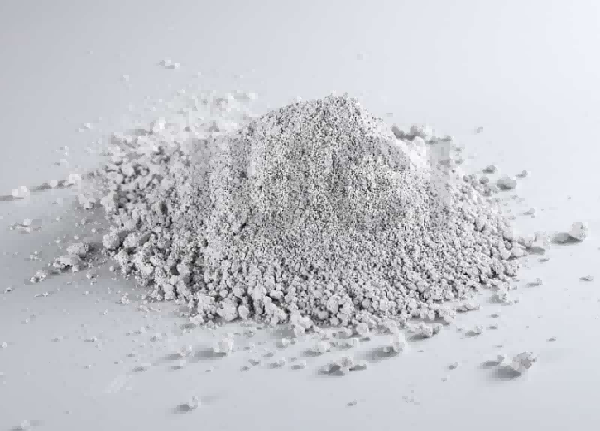
厦门钜瓷高纯氮化铝粉


III. Domestic Champions Rise, Unlocking Full Industry Chain Synergy

Constrained overseas supply is accelerating domestic substitution. Leading Chinese AlN substrate manufacturers are operating at full capacity with high utilization rates, aggressively expanding output to meet urgent downstream demand. Several domestic frontrunners have successfully penetrated the supply chains of top-tier global optical module makers and AI computing giants.

This momentum is resonating across the entire value chain. Beyond substrates, aluminum nitride filler factories and thermal management ceramic fillers are witnessing explosive demand, becoming critical materials for AI server cooling solutions. Concurrently, aluminum nitride crucible and aluminum nitride rod suppliers are also reaping the benefits of industry-wide expansion. Driven by global powder shortages and constrained supply from major overseas players, aluminum nitride powder prices remain firm, further cementing the cost and delivery advantages of the domestic supply chain 


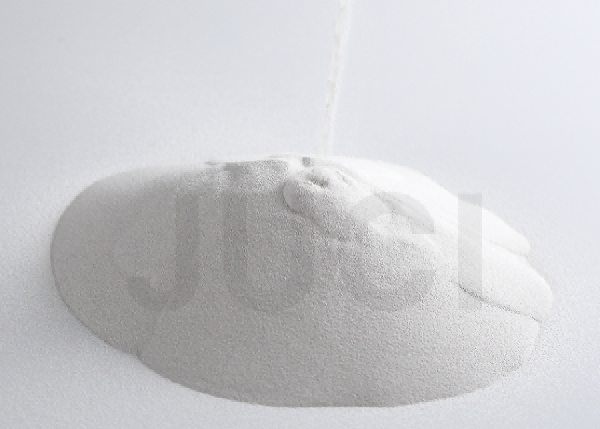
厦门钜瓷氮化铝导热填料粉


IV. Outlook: A Sustained Upswing

Looking ahead, the dual engines of AI and high-speed optical modules will continue to propel AlN demand higher through 2027. The long-standing overseas monopoly is rapidly unraveling. The 2026–2027 period represents a pivotal window for domestic high-end AlN players to capture market share and realize substantial performance growth.


Xiamen Juci manufactures Aluminum Nitride ceramic substrates, Aluminum Nitride powder, and related products. Please contact us if you have any requirements.


Contact: Jenny Qin / 진현혜 

Phone: +86 151-5177-8700

Wechat ID: JENNY-8866

Xiamen Juci Technology Co., Ltd.

Email: qinxianhui@chinajuci.com

Website: www.jucialnglobal.com

Seizing the High Ground The Golden Window for High-End AlN Substitution
2026-06-12
Uncategorized

Against the backdrop of deepening structural shifts across the global semiconductor and new energy landscapes, the high-end aluminum nitride (AlN) powder market is entering a period of unprecedented transformation. For procurement decision-makers seeking a competitive edge, this moment represents far more than a supply chain contingency—it is a strategic opportunity to reshape cost structures and sharpen market responsiveness.


I. Widening Supply–Demand Imbalances Elevate Supply Chain Security

Overseas capacity adjustments and geopolitical frictions are placing sustained pressure on the stability of high-purity AlN supply. At the same time, demand for AlN Filler for new energy vehicle​ applications is accelerating sharply, while the extreme thermal management requirements of AI computing chips and high-speed optical modules continue to drive a clear “volume-plus-price” uptrend across the market.


The reality is increasingly visible: extended lead times and rising procurement costs. Whether serving as a general-purpose Aluminum Nitride Thermal Filler​ or functioning as an AlN thermal conductive filler​ in precision assemblies, a stable raw material supply has overtaken absolute price as the primary criterion in procurement decisions.


II. The Rise of Domestic Capabilities: From Passive Alternative to Active Preference

In this context, the strategic value of domestic supply chains is being meaningfully redefined. Leading Chinese manufacturers such as Xiamen Juci have leveraged continuous technological iteration to match the core performance benchmarks of top-tier international suppliers.


This is particularly evident in Aluminum nitride ceramic for optical modules, where ultra-high purity is non-negotiable, as well as in the use of aluminum nitride (AlN) gap filler​ to enhance the reliability of power modules. Here, Xiamen Juci has not only overcome long-standing technical barriers but also delivers solutions that blend high performance with strong cost competitiveness, backed by responsive local services. This evolution—from “usable” to “industry-grade”—signals that domestic substitution has entered a decisive, deep-water phase.


III. A New Procurement Paradigm: Lock in Core Suppliers to Gain First-Mover Advantage

Confronted with heightened market volatility, building a diversified and resilient supply system has become a broad consensus across the industry. Now is the optimal window to formally incorporate proven Chinese aluminum nitride powder.


Contact:  Jenny Qin / 진현혜 

Phone: +86 151-5177-8700

Wechat ID: JENNY-8866

Xiamen Juci Technology Co., Ltd.

Email: qinxianhui@chinajuci.com

Website: www.jucialnglobal.com