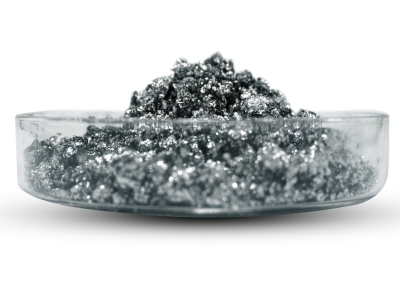
Ⅰ.sparkling aluminum paste: sparkling aluminum paste with different flashing effects in the particle size range of 14um-75um. Generally, coarse-particle aluminum powder is used for production, and the solvent is high flash point aromatic 150# or D series dearomatized solvent.
Ⅱ.Features: This series of silver paste has unique flashing, bright and angle-dependent color effects. According to the shape of the scales, the thickness and regularity, the absorption and reflection effects of light are different, and it can be divided into two types: strong flash type and silver dollar type. Flash silver basically follows the product color law of finer white, coarser brighter, better flash point, and stronger metallic feel.
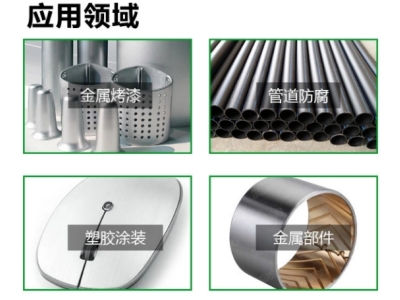
Ⅲ.Application: Mainly used in various metallic flash paints for engineering machinery, power tools, bicycles, motorcycles, automobiles, etc., and can also be used in coatings such as plastics and wood.
For any formulator, a powerful silicone defoamer, while effectively suppressing foam, can result in numerous fisheyes in the coating film—a true professional nightmare. This is the crux of the problem: defoamers are effective precisely because of their low surface tension and incompatibility, which directly threaten the transparency, gloss, and smoothness of the final coating. You're not just adding an additive; you're adding a potential contaminant that must perform a specific, intense task and then disappear completely. The key to finding this balance lies not in brute force, but in achieving perfect, temporary incompatibility.

The root of the problem is residue. Highly effective but poorly matched defoamer droplets don't always completely blend or escape. They remain on the coating, creating weak points that manifest as pits, haze, or orange peel texture. In inks, this can cause pinholes or affect color intensity; in clear coatings, it can cause unacceptable cloudiness. Therefore, our goal is not the most powerful defoamer on the market, but the smartest defoamer—a self-regulating defoamer that can precisely adjust to the dynamic characteristics of a specific system.
This solution shifts the focus from pure efficiency to refined compatibility. This means moving beyond generic options and seeking a compatibility-focused defoamer. The evaluation process must consider the resin's chemical class (waterborne acrylic resins, solvent-based polyurethane resins), the system's polarity, the curing mechanism, and all other additives in the mixture. The objective is to find a product with sufficient surface activity to disrupt the foam layer during mixing and application, but whose carrier and active ingredient are designed to fully emulsify or diffuse within the cured film without causing defects.
Achieving this requires a strategic two-stage approach. First, rigorous compatibility testing is conducted to simulate real-world application conditions: don't just stir and observe for foam breakage; first, dilute and cure the formulation, examining surface defects under oblique light. Second, the timing of the defoamer's action is considered. Sometimes, a targeted defoamer that controls foam during high-shear production but deactivates before film formation is superior to a continuously effective defoamer. The best option often lies in custom blends or modified silicone oils to achieve controlled incompatibility.
Ultimately, solving the formulator's dilemma means transforming defoamers from a necessary nuisance into a precision component. This requires accepting the fact that defoamers that perform best in beaker tests often perform worst in the final application. By prioritizing long-term film integrity over short-term defoaming and selecting a precision defoamer designed for a specific chemical composition, you can transform a long-standing problem into a controllable variable, ensuring smooth production and a flawless final product.
Will Sodium Benzoate Be Phased Out of Food and Beverages?
Current Role of Sodium Benzoate
Sodium benzoate, a widely used preservative, effectively inhibits microbial growth in acidic foods (pH 2.5–4) such as carbonated drinks, jams, and pickles. Its conversion to benzoic acid in acidic environments enhances its antibacterial properties, making it indispensable for extending shelf life and preventing spoilage.
Safety Concerns and Regulatory Status
While generally recognized as safe (GRAS) within limits, excessive intake may pose liver toxicity risks. Regulations like GB 2760-2014 prohibit its use in certain products (e.g., pastries), reflecting ongoing scrutiny. The FDA’s emphasis on "reasonable use" under GMP further restricts its application to essential technical needs.
Future Outlook: Replacement or Retention?
Natural Alternatives: Rising consumer demand for clean labels may drive adoption of plant-derived preservatives (e.g., nisin, rosemary extract).
Technological Advances: Advanced packaging (e.g., modified atmosphere) could reduce reliance on chemical preservatives.
Regulatory Evolution: Stricter limits or bans in specific categories (e.g., children’s foods) are plausible, but outright elimination is unlikely due to its cost-effectiveness and efficacy.
Conclusion
Sodium benzoate’s future hinges on balancing safety, functionality, and consumer preferences. While niche substitutions may emerge, its phased withdrawal remains improbable without proven alternatives matching its performance and affordability.
This analysis synthesizes current scientific consensus and regulatory trends as of 2025. For updates, consult authoritative sources like the FDA or EFSA.
Have you ever stared at a sleek car finish, a glamorous lipstick, or a sparkling gift box and wondered what gives them that enchanting, light-shifting glow? That magic is likely thanks to pearlescent pigment—a versatile and extraordinary material that’s quietly transforming everyday objects into something extraordinary.